交通事故で相手が交渉に応じなかったら?
交通事故で相手が交渉に応じないのは普通にあることです。交通事故の加害者は、ほとんど起訴されなくなっているため、被害者からの心証を良くする必要もないと考えることがあります。刑事責任が問われなかったことで、無実のお墨付きを得たと解釈することもあります。それで、賠償も謝罪もしない加害者が珍しくなくなっています。 しかし、加害者が起訴されたかどうかに関わらず、被害者には損害賠償請求権があります。

被害者が加害者の自賠責保険で治療ができるということは、加害者の民事責任が公的に認められたということです。自賠責保険の限度額を超えたら、当然、加害者はその金額を賠償する義務があります。ないと主張するなら、民事裁判でその判決を得ることです。交通事故の損害賠償請求権の時効は3年です。時効成立を防ぐため、内容証明郵便を3年ごとに送ることも考えられます。賠償請求を記録に残る形でおこなうことになり、それからまた3年間の請求が可能になると思われます。しかし法的な正確性に責任はもてないので、交通事故弁護士名古屋など交通事故をたくさん取扱っている法律事務所で確認してください。
そうした請求が何度なされようと、加害者は無視し続ける可能性があります。しかし、弁護士を通して請求すると、加害者は、被害者が費用倒れを覚悟して請求にかかっていると認識します。そうなると、裁判になって賠償命令が出る可能性があり、命令が出たら資産や給料を差し押さえられることもあり得ると理解します。個人を相手にそこまでやるケースは少ないため、あり得ないと安心し切っていた加害者は、被害者が捨て身になっていると考えますので、それまでの姿勢を改めることがあります。
名古屋での交通事故
名古屋は交通事故での死亡事故が、残念ながら、全国ワースト1位という状況が10年以上続きました(2015年1月3日の日経新聞の記事によれば、12年間ずっと死亡事故が全国ワースト1位だそうです)。
愛知県警の発表によれば、平成28年は死亡事故が多かったのが西三河、西尾張、ついで東尾張、東三河、名古屋、という順でした(愛知県警察/交通統計 記者発表資料より)。
交通事故 骨折で後遺症がのこる?!
交通事故によって骨折した場合、骨折した部分が変形してしまう事があります。怪我の程度にもよりますが、関節のように可動域のある骨の骨折では特に発生しやすく、後遺症として残ってしまう可能性があります。具体的にどのような後遺症が残るかについてですが、骨折した骨が癒着接合する際に本来の長さより短くなってしまう短縮障害や、骨折治療中の骨同士の癒着接合に不良が起こり変形してしまう変形障害等があります。
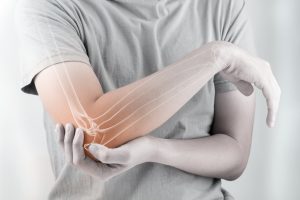
骨折の際に整復術と呼ばれる金属プレートやボルトを用いて固定や接合を行う術式による治療が必要な場合に、上記のような障害が起こる可能性が高いです。しかし、これらの後遺症は後遺障害と呼ばれる物の中でも外見に影響する後遺症にあたり、通常の生活を送る上においてはそれほど影響する後遺症ではありません。また、後遺症の中でも神経障害に関しては深刻な後遺症であり、骨折部周辺の痛みや痺れが残る事や、足等の靭帯や腱に損傷が残る場合があります。神経障害は骨折が正常に接合していて、関節の可動部に問題が無い場合にも起こりえる症状であるために、治療の過程では気付きにくい事もあります。

こういった交通事故による骨折の後遺症が万一起こってしまった場合、後遺障害が認定されれば加害者から受け取るべき慰謝料や逸失利益などの損害賠償額が大幅に増額する場合がとても多いです。とくに条件として決まっていることはありませんが、医師による治療をきちんと受けている(つまり怪我で治療が必要だったということがそこにあわられます)ことが必須と言えます。
突然の災害でも交通事故を回避できるように知っておきたいこと
地震や津波、台風など、日本は災害大国といっても過言ではありません。毎年、多くの人々が災害によって命を落としてしまったり、大怪我を負ったりしています。中でも、車の運転中に災害に巻き込まれてしまうケースが多いようです。いつどこで起こるか分からないのが災害です。日頃から常に災害への対策を考えておくことが重要となってきます。では、実際にどのようなことに心がければよいのでしょうか。
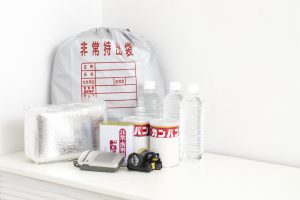
まず、大きな地震が発生したら、落ち着いて安全な場所で停車させましょう。慌ててしまうと、思わぬ事故に繋がったりなどかえって危険です。ラジオで情報収集を行うなど、被害の状況や取るべき行動をしっかりと見極めることが大切なのです。一方で、周りが山や崖など、土砂崩れが起きやすい場所であれば、直ちに退避しましょう。いずれにせよ、より安全な場所にひとまず待機してみることがポイントです。

突然のゲリラ豪雨などで、車内に水が入ってくる場合も考えられます。異常な降り方の雨だったり、いつもと何かが違うと感じたら、無理な運転は控えましょう。万が一運転をしていたら、浸水する前に外へ逃げましょう。車が流されてしまうとその場に残ってしまう人もいますが、大変危険な行為です。もし、車内に水が入ってきたら、水圧で扉や窓が開かなくなってしまうことがあります。こうなってしまった場合、1秒でも早く外へ逃げないと溺れてしまいす。こうなると扉を開けることはほぼ不可能なので、窓を割っての脱出が必要です。ビニール袋などに小銭や堅いものをできるだけたくさん入れて、窓に思いっきり叩きつけると簡単にわることができるので、そのような備えも必要なのかもしれません。